
Women for Sobriety also offers online meetings, phone support, and a forum where members can share their experiences and support each other. This may include connecting with friends and family, joining a sober living community, or attending support groups that align with your personal values and beliefs. Another advantage of staying sober without AA is the opportunity to build a support system outside of the program. While AA meetings can provide a sense of community, it is possible to find support in other ways. There are many reasons why someone may choose to stay sober without AA.
What It Takes to Stay Sober Long Term
While it might be difficult to break ties with those people and places, doing so is necessary to live an alcohol-free life. Do you know that a certain group of friends will tempt you to drink? When you’re in the throes of an AUD, there are likely others around you who are supporting and even enabling your addictive behavior. Tap into the hobbies that engage your sense of purpose and help you feel fulfilled.
Online Communities

Adopting new habits and activities that promote physical and mental well-being is essential for reducing the risk of relapse. By focusing on exercise, nutrition, and mindfulness, you can improve your overall health, increase your resilience, and boost your chances of maintaining sobriety. Group therapy can create a secure and encouraging atmosphere for people to express their stories and gain knowledge from others who are going through similar difficulties.
Celebrate Recovery
Alcoholics Anonymous (AA) is one of the most popular rehab programs in the world, and has helped millions of people in their recovery journey. AA can be used for achieving sobriety or maintaining sobriety, and it’s designed to help participants live a sober lifestyle, one step at a time. I am not denying the fact that many of us have been victims of the actions of others.
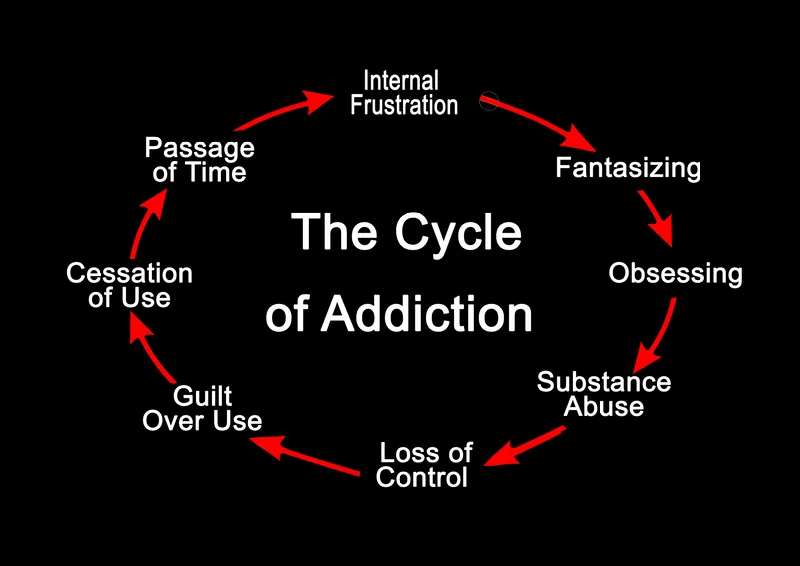
It is possible to break free from alcohol’s grip without white-knuckling it or adhering to a one-size-fits-all approach. I now know that this was due to a well-researched phenomenon known as ‘The Alcohol Deprivation Effect’ (ADE). When someone who is addicted to alcohol quits drinking, they can experience a sense of deprivation, and when we’re deprived of anything, our cravings for it can intensify. The ADE shows that people often develop stronger cravings for alcohol when they quit, which can lead to binge drinking. This was the exact cycle I was stuck in for nearly 10 years—until I found TSM. Looking back, I realize I had tried these habit-change techniques many times before I discovered TSM, but it was always a struggle.
One of the biggest debates in the recovery world is about whether alcoholism or not you can stay sober without AA. ” I think this is important to talk about, and share some thoughts about. For this step, I think it’s best to have a sponsor, therapist, mentor, or trustworthy friend to go through it with. Making a commitment is more meaningful if you make it in the presence of other people.
Other side effects may include headaches, nausea, vomiting, constipation, insomnia, pain, increased sweating, sleepiness, dizziness, coordination problems, physical dependence or abuse, and liver problems. For more information about Suboxone (buprenorphine/naloxone) see Suboxone.com, the full Prescribing Information, and Medication Guide, or talk to your healthcare provider. how to stay sober without aa You are encouraged to report negative side effects of drugs to the FDA.
Ways I Stay Sober Without AA
Many people have indeed managed to defeat an addiction and maintain sobriety on their own for many years. Most people will need help to quit, especially for drugs with severe withdrawal syndromes like the opioids. For sure, stopping even a 30-milligram daily oxycodone habit would produce powerful withdrawal symptoms that most people simply couldn’t endure. Higher addiction levels would be far worse and even more difficult to withstand. Engaging in effective NA meetings, Al-Anon meetings, 12-step programs, or continued outpatient care or a sober living facility can be instrumental to a sober lifestyle.
- Research indicates a growing recognition of the efficacy of both types of recovery programs.
- Some people who are on their way to recovery post positive messages on social media and internet groups.
- In the following chapter, I will explain the basic purpose of each of the 12 steps along with the principles that make them effective.
- These methods may even have higher rates of success and long-term sobriety than AA.
- It allows individuals to set their own goals, such as cutting back gradually, drinking more mindfully, or quitting altogether.

However, others may focus on a new hobby in sobriety and engage in local communities focused on these hobbies. While these functions may be devoid of addictive substances, many cultures and opportunities fill these times with new activities, cultures, games, and more. Those in sobriety still have every opportunity to explore hobbies and interests and attend social gatherings. However, for those who are managing their sobriety in these high-risk environments, there are some strategies to keep in mind. Staying sober in an environment that accepts the use of alcohol can be challenging.
- We want them to know there are options, that there is help, and that they aren’t alone.
- These apps offer real-time data tracking, daily reminders, and the latest neuroscience research to help people manage their relationship with alcohol effectively.
- It’s important to set boundaries for yourself and stick to them.
- Exploring personal needs, tending to social needs, and developing a relapse prevention strategy are all just part of a sustainable approach to sobriety.
Characteristics of a Beneficial AA Sponsor Relationship
Research shows that addiction hijacks the brain’s reward system, leading to powerful cravings and compulsive behaviors. Alcohol triggers the release of dopamine and endorphins, creating a cycle where the brain starts to prioritize alcohol over natural rewards like food, relationships, and healthy activities. My story isn’t about white-knuckling through cravings or declaring alcohol the enemy. Instead, it’s about finding a different way—one that allowed me to break free without forcing abstinence or labeling myself.